6 Things to Consider Before Buying a New Shed
Adding a shed to your property can be a smart investment, whether you need extra storage, a workspace, or a way to organize outdoor equipment. A well-chosen shed can improve functionality, reduce clutter, and even enhance the overall appearance of your yard. However, buying a new shed is not as simple as picking the first option you see. There are several important factors to consider before making a purchase to ensure it meets your needs now and in the future.
From size and materials to placement and cost, each decision plays a role in how useful and long-lasting your shed will be. Understanding these considerations ahead of time can help you avoid costly mistakes and ensure your new shed adds lasting value to your property.
1. Size and Storage Needs
One of the first and most important considerations when buying a shed is determining the right size. Homeowners often underestimate how much space they actually need, leading to sheds that quickly become overcrowded. Before choosing a size, take inventory of what you plan to store now and what you may need to store later.
Think about items such as lawn equipment, bicycles, tools, seasonal décor, and larger machinery. If you plan to use your new shed as a workspace or hobby area, you’ll also need room to move comfortably inside. Shelving, hooks, and overhead storage can help maximize space, but they still require adequate square footage.
It’s also important to consider local regulations. According to HomeGuide, small sheds under 200 square feet typically do not require building permits. While this can simplify the process, you should always verify local zoning rules and setback requirements before deciding on the size of your shed.
Choosing a slightly larger shed than you think you need is often a smart move. Storage needs tend to grow over time, and having extra space can prevent the need for an upgrade later. This extra room also allows for better organization and easier access to your items as your storage needs evolve.
2. Materials and Construction Quality
The materials used in a shed directly affect its durability, maintenance requirements, and appearance. Common shed materials include wood, metal, and resin, each with its own advantages and drawbacks.
Wood sheds offer a classic, customizable look and can blend seamlessly with residential architecture. They are ideal for homeowners who want to paint or modify their shed over time. However, wood requires regular maintenance to protect against moisture, pests, and rot.
Metal sheds are known for their strength and fire resistance. They require less maintenance than wood but may be prone to rust if not properly coated. Metal sheds can also be less visually appealing depending on the design.
Resin or vinyl sheds are low-maintenance and resistant to rot, insects, and weather damage. They are often easier to assemble and maintain their appearance over time, though they may not offer the same structural strength or customization options as wood.
When investing in a new shed, construction quality matters just as much as material choice. Look for reinforced doors, sturdy roofing, proper ventilation, and weather-resistant finishes to ensure long-term performance.
3. Location and Property Layout
Where you place your shed is just as important as what shed you choose. The location should be convenient, accessible, and compliant with local zoning regulations. Start by evaluating your yard’s layout, including slopes, drainage patterns, and existing landscaping.
A shed placed too far from the house may be inconvenient to access, especially in bad weather. On the other hand, placing it too close may impact aesthetics or violate setback rules. Consider how you’ll access the shed year-round and whether pathways or lighting will be needed.
Sun exposure and wind direction can also affect shed longevity. Constant exposure to harsh sunlight may cause materials to fade or degrade, while poor drainage can lead to moisture issues. Positioning your new shed on higher ground with proper airflow can help prevent long-term problems.
Additionally, think about how the shed will look from different angles of your property. A well-placed shed can complement your yard, while a poorly placed one may detract from it.
4. Foundation and Site Preparation
A proper foundation is critical to the stability and lifespan of a shed. Without a solid base, even the highest-quality shed can shift, warp, or suffer structural damage over time. The type of foundation you need depends on the shed’s size, weight, and intended use.
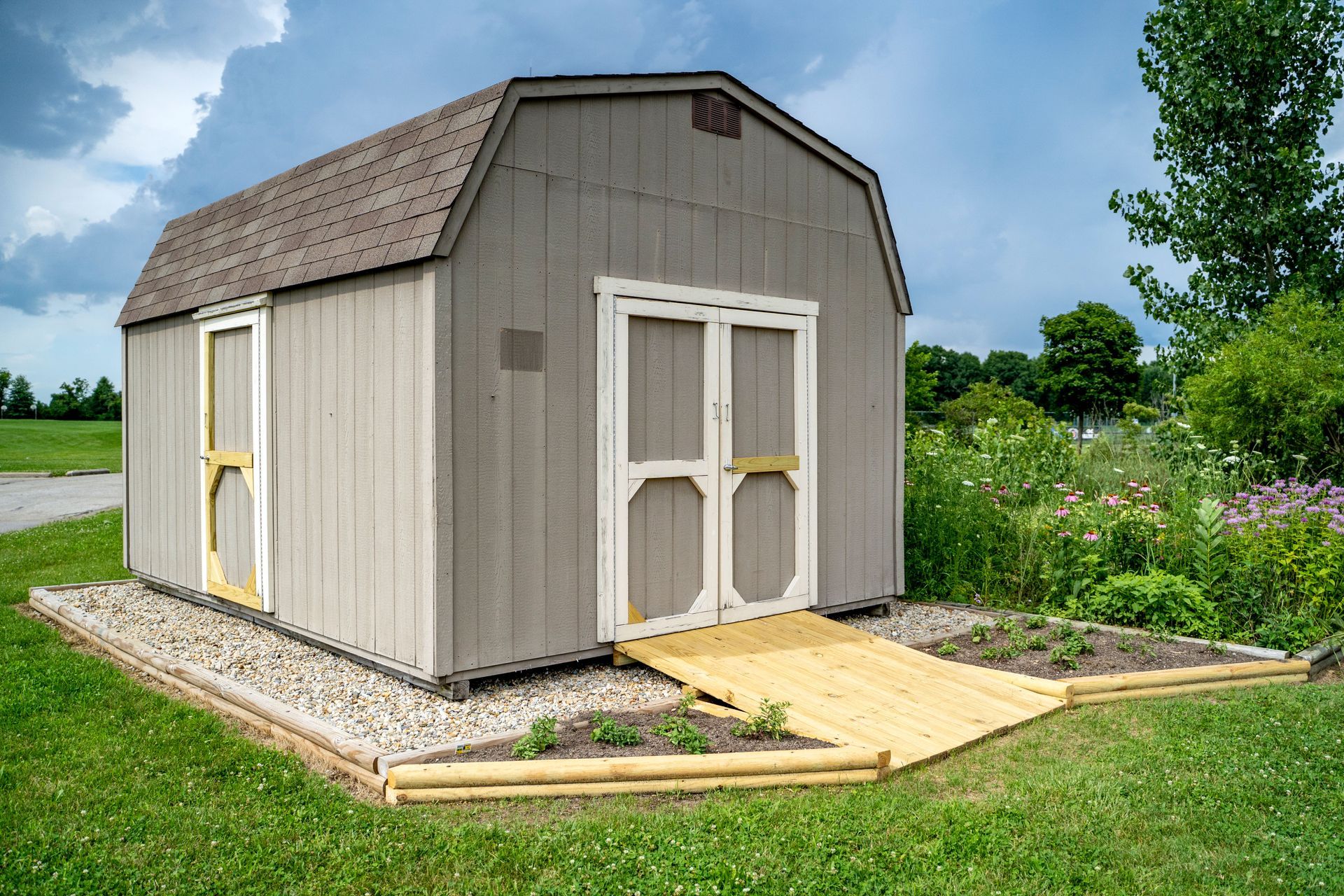
Common foundation options include gravel pads, concrete slabs, concrete blocks, and pressure-treated wood frames. Gravel foundations are cost-effective and provide good drainage, while concrete slabs offer maximum stability and durability.
Site preparation should not be overlooked. The ground must be level, compacted, and free of debris before installation begins. Poor site preparation can lead to water pooling, uneven floors, and door alignment issues.
Taking the time to properly prepare the site ensures your new shed remains secure and functional for years to come. It also helps protect stored items from moisture and structural stress.
5. Budget and Long-Term Value
Budget is often a deciding factor when purchasing a shed, but it’s important to think beyond the initial price tag. While lower-cost sheds may seem appealing, they can end up costing more in repairs, maintenance, or early replacement.
When setting a budget, factor in not just the shed itself, but also site preparation, foundation materials, delivery, and installation. Custom features, upgraded materials, and added storage solutions can increase upfront costs but may offer better long-term value.
A well-built new shed can improve organization, protect valuable equipment, and enhance property appeal. In some cases, it may even contribute to resale value by improving outdoor functionality and appearance.
Balancing cost with quality ensures you get the most value for your investment while avoiding unnecessary expenses down the line. Choosing materials and features that are durable and low-maintenance can further protect your investment and provide peace of mind for years to come.
6. Design and Aesthetic Compatibility
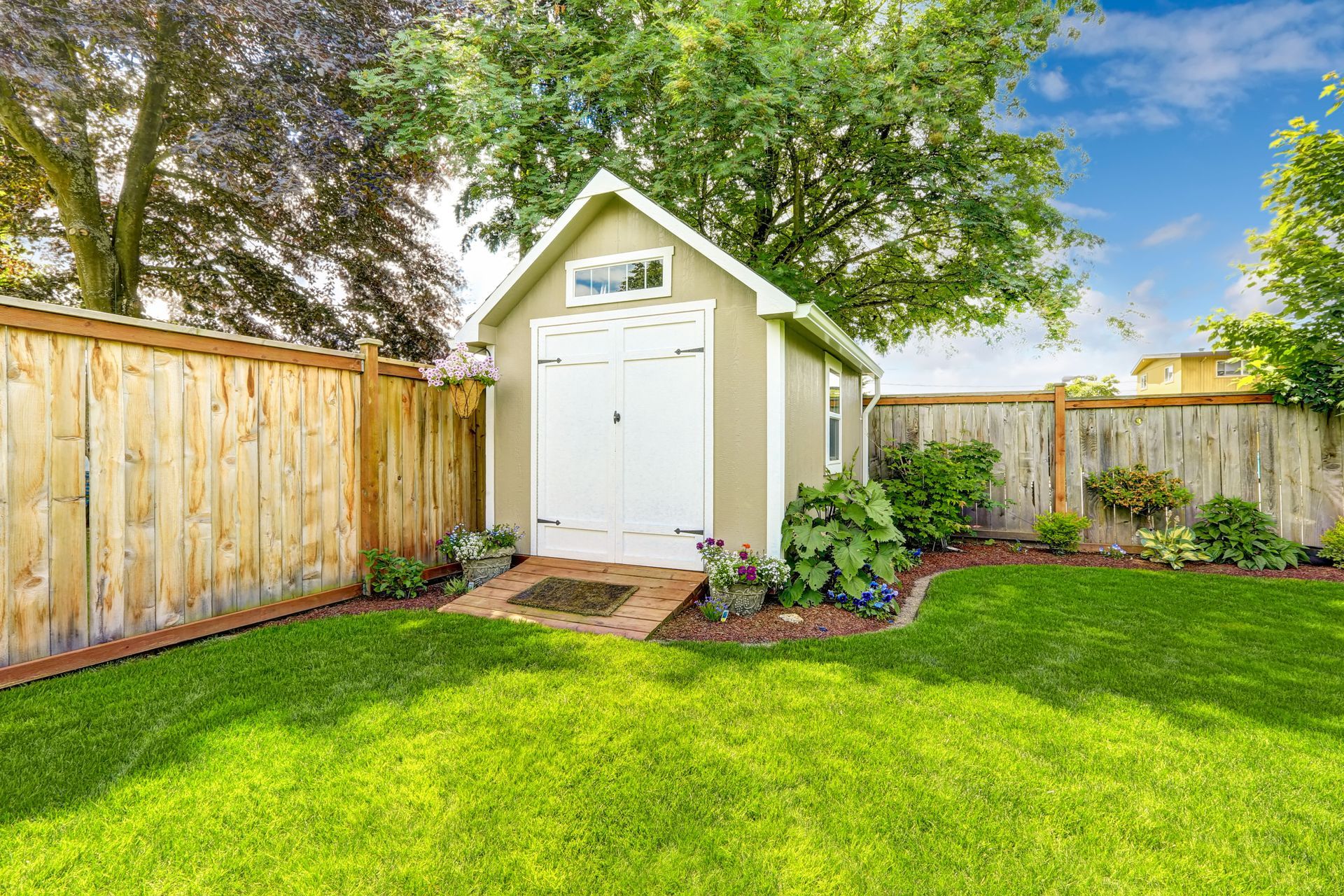
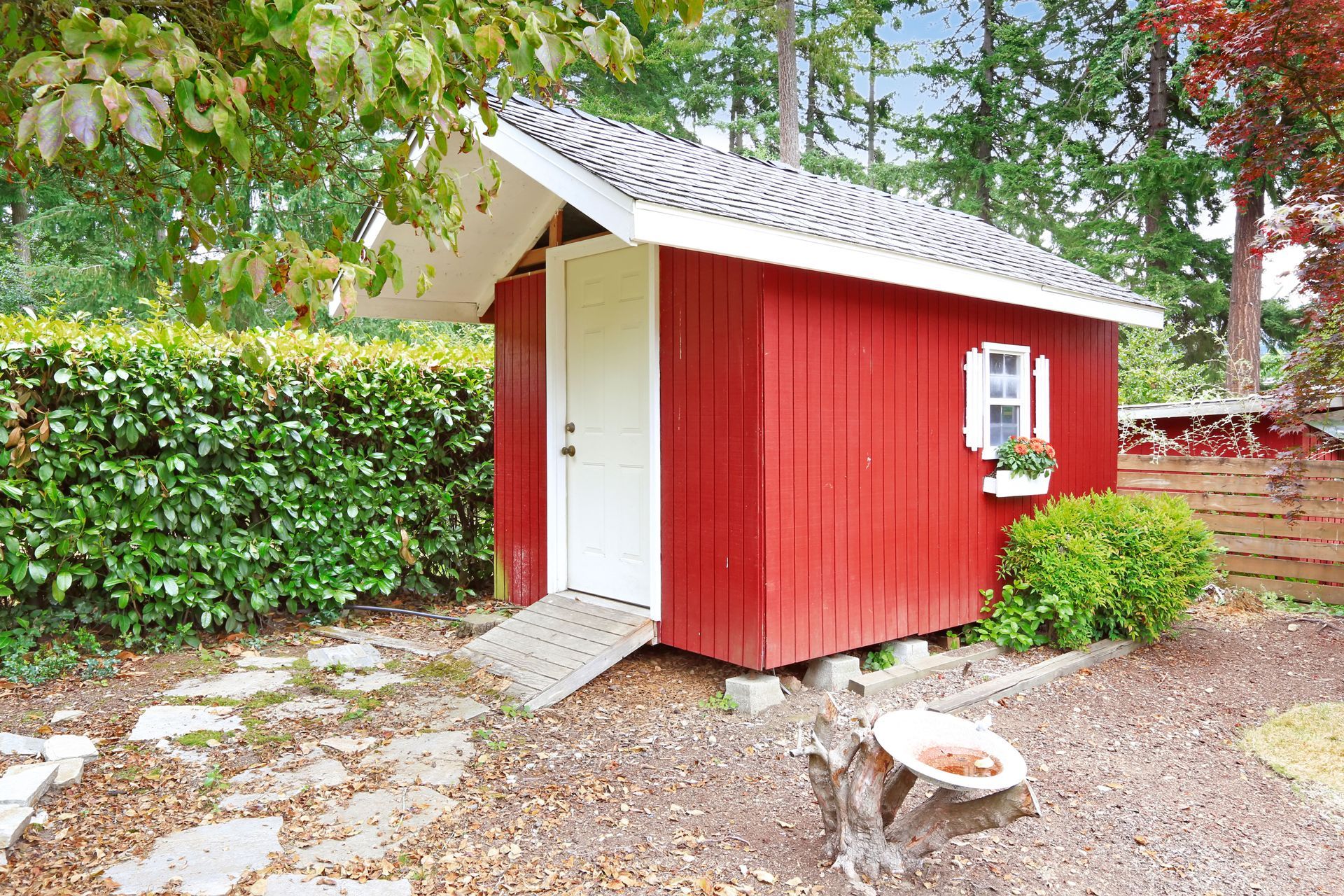
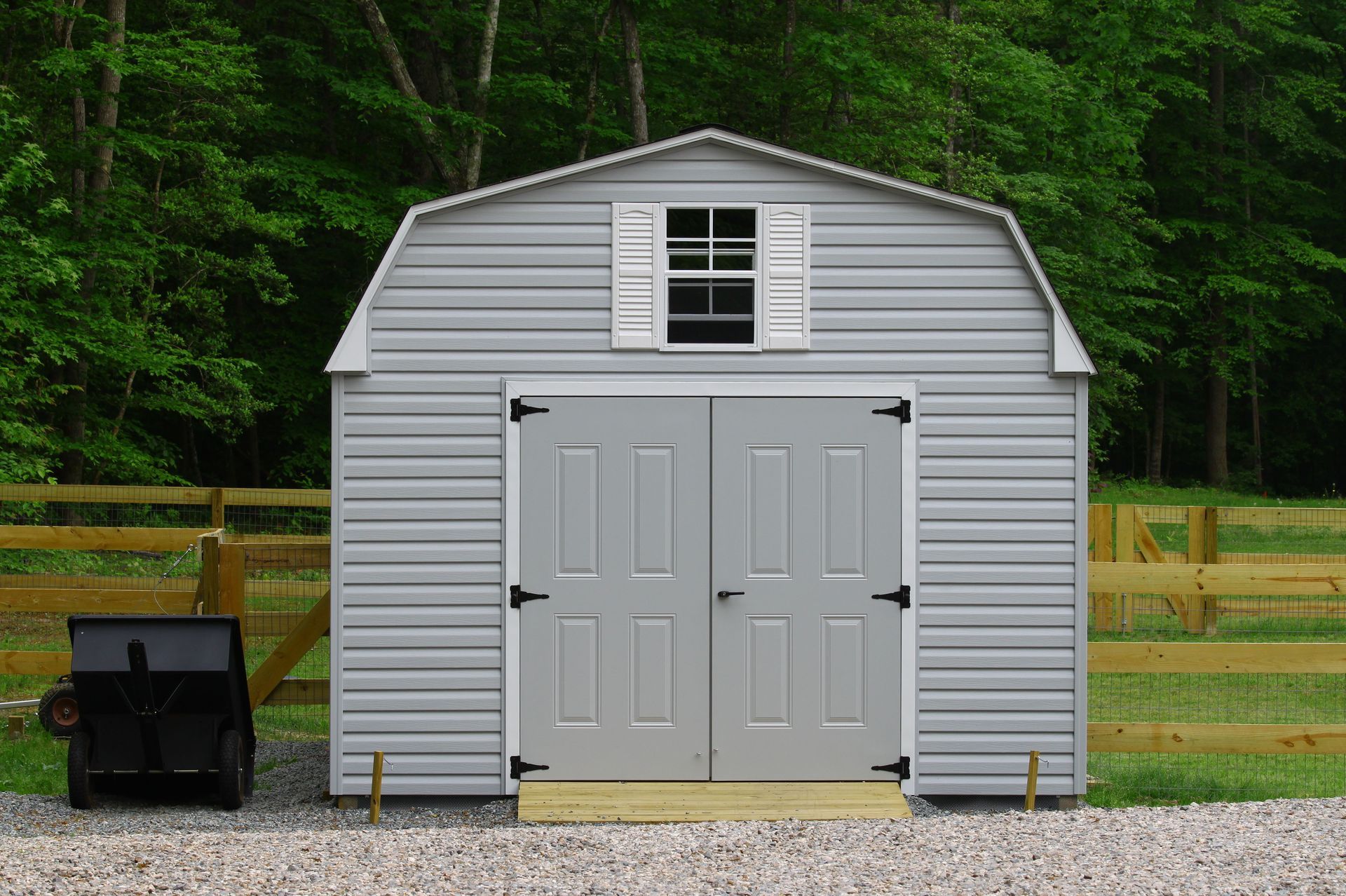
While functionality is a priority, the appearance of your shed should not be overlooked. A shed that complements your home’s style and existing landscaping can enhance your property’s overall look rather than detract from it. Roof style, color, siding material, and trim details all play a role in how well the shed blends into its surroundings.
Consider matching the shed’s color scheme to your home or choosing neutral tones that work well with outdoor environments. Window placement, door style, and roof pitch can also influence both aesthetics and usability by allowing in more natural light and improving ventilation.
A thoughtfully designed shed can serve as more than just storage. When chosen carefully, it can become a visual asset that adds character and cohesion to your outdoor space while still meeting your practical needs. This balance of form and function helps ensure the shed enhances your property rather than simply occupying space.
Buying a shed is an investment in both organization and functionality. By carefully considering size, materials, location, foundation, and budget, you can choose a shed that fits your needs and stands the test of time. Taking a thoughtful approach helps ensure your new shed becomes a practical and lasting addition to your property rather than a costly mistake.
If you’re ready to explore your options and find the right solution for your property, contact Superior Sheds to learn more about selecting and installing a shed that fits your needs and budget.
Share On: